
Composite and lightweight structures
We design and analyze lightweight structures for demanding applications
We specialize in structural analysis of composite materials for aerospace, automotive, and lightweight structure applications. Our expertise includes both traditional composite structures as well as innovative aluminum and steel composite hybrid designs. We develop and optimize material models specifically tailored to composite materials’ unique properties.
Partnering with our lightweight structure designers, we deliver complete projects from feasibility studies through final drawings. We help you leverage the unique advantages of lightweight structures – directional strength optimization, superior vibration damping, and inherent corrosion resistance.
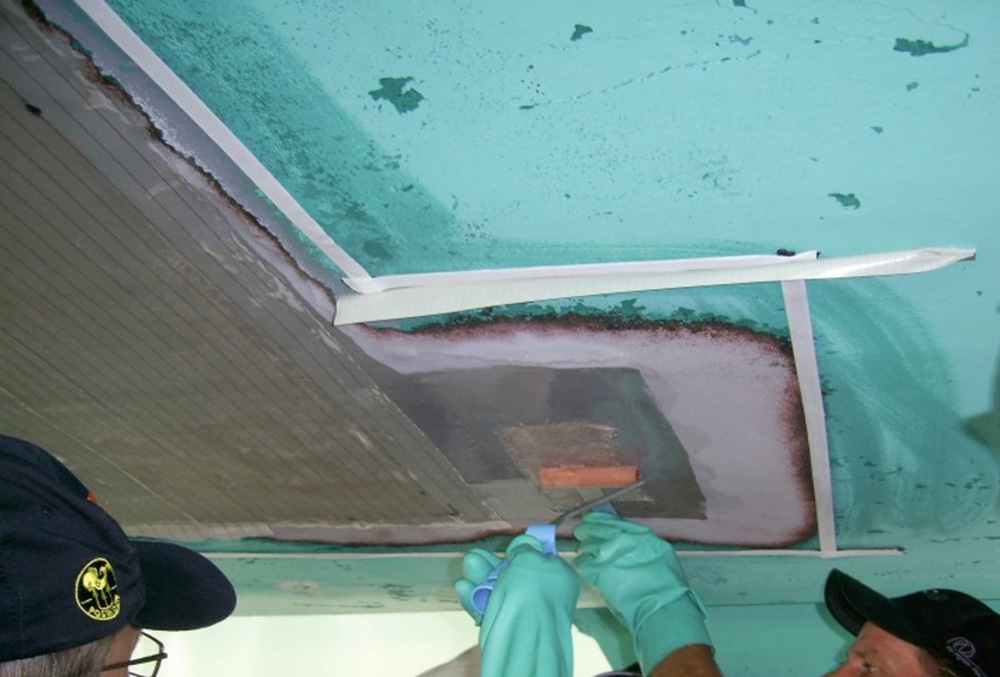
While initial material and manufacturing costs may be higher, lightweight structures deliver significant long-term savings through reduced lifecycle costs. For existing composite structures, we provide specialized repair and modification analyses to extend service life and maintain performance.
Services and expertise
- Material model development and validation
- Composite structure optimization
- Hybrid structure design (aluminum and steel composites)
- Manufacturing process expertise
- Riveted and adhesive joint analysis
- Repair and change analysis
Contact us

Do you want to know more?
Elomatic’s Jarkko Aakkula awarded the Finnish Defence Forces’ Logistics Cross of Merit
Dr. Tech. Jarkko Aakkula, Lead Consulting Engineer at Elomatic, has been awarded the Finnish Defence Forces’ Logistics Cross of Merit in recognition of his long-standing contributions to the development of maintenance operations, military supply security, and defense logistics.
Saving energy by reducing weight—advantages of structural analysis using modeling
As the price of energy is rising, so is the price of materials. That is why it is now worth reducing the weight of structures to save energy and money. Structural analysis using modeling offers great opportunities here: the models give better results on the details of the structure, and thus the material can be used where it is needed. In addition, models help in choosing the right materials and in extending the service life of structures.